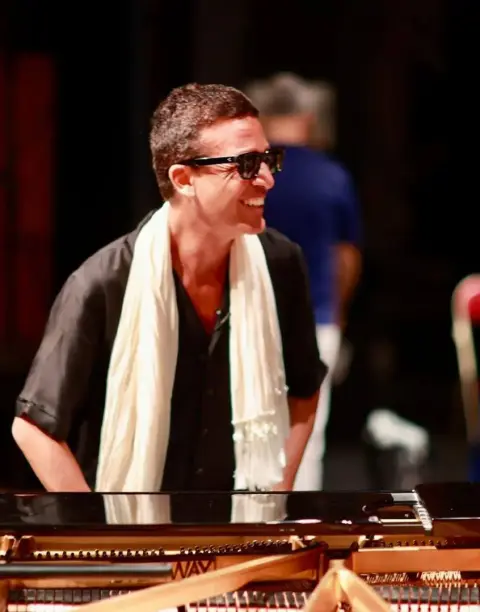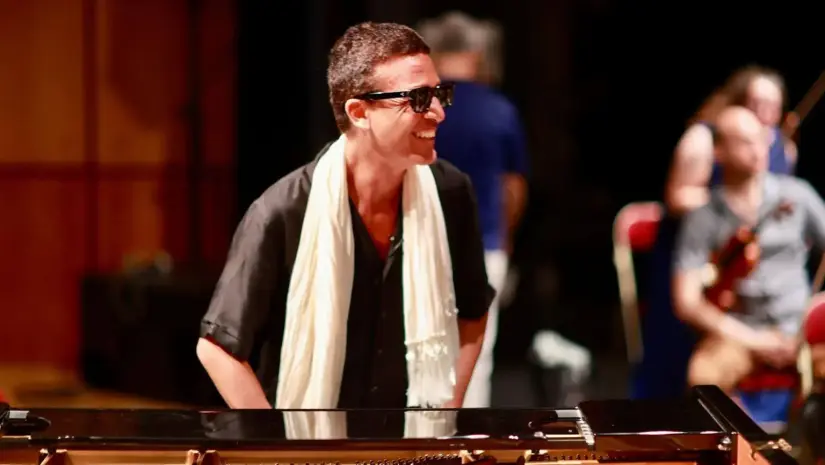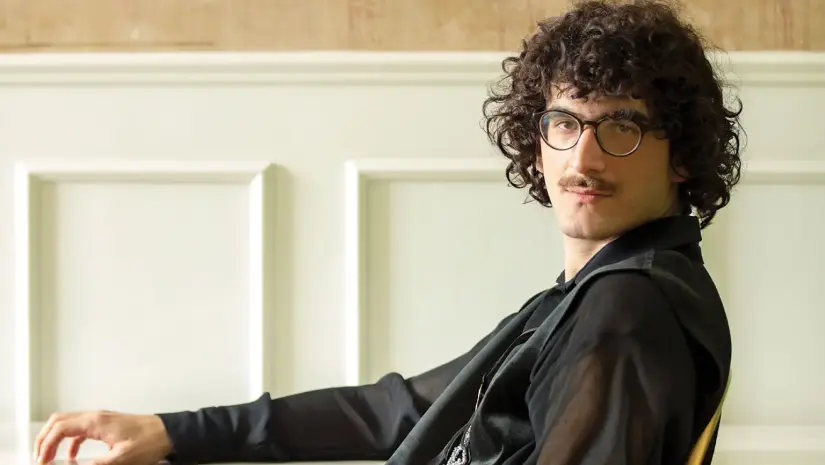
In 2023, Giorgi Gigashvili won the prestigious Arthur Rubinstein International Piano Master Competition. At the age of 23, he has already established himself as a key figure in contemporary Georgian academic music and a prominent member of Forbes Georgia’s 30 Under 30 list. Pianist Nino Zhvania interviewed the young Georgian artist on behalf of Forbes Georgia.
Forbes Georgia’s 30 Under 30 project recognizes young leaders who achieve success through their knowledge, effort, and enthusiasm and help shape our country’s future. How can a successful young pianist shape Georgia’s future today?
The inclusion of a pianist in this list is especially significant because classical music does not have the same level of appreciation today as it did, for example, 50 years ago. This is very unfortunate. Classical music is dying not just in Georgia but across the world. We need to think about reorganizing it. At the risk of sounding arrogant, being at the top of this list is important to me. It means that I am doing something right. And if I do something new in a genre where people least imagine something new being done, then this recognition is doubly appreciated. Thank you very much for this.
You mentioned a crisis in classical music. The average age of listeners is increasing all over the world. Young people rarely attend classical music concerts. Against this backdrop, what do people like you need to do to improve the appeal of classical music to the younger generation?
First and foremost, you should not be constrained by the older generation. I was fortunate to have Rezo Tavadze by my side. He never stifled my creativity and told me to play how I wanted. The problem is that too many older people believe their students must play like them. Thanks to the freedom afforded to me by Rezo Tavadze, I know that as an independent pianist, I should not be bound by any framework. When I think of classical music, I do not think of it as something very old that you must treat with excessive care. When Beethoven wrote his masterpieces, they would have been considered pop music. That is what we must do today: turn classical into modern music.
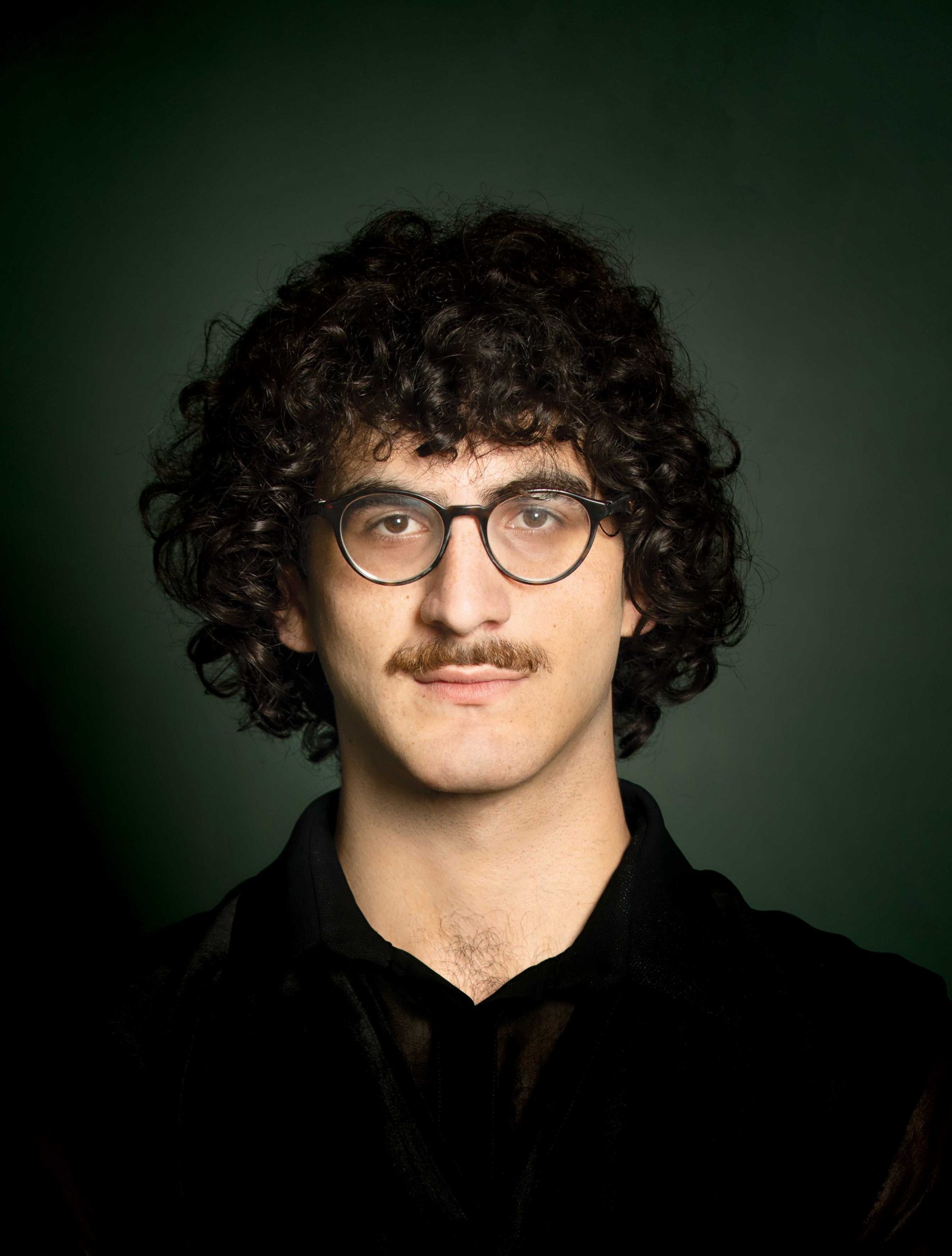
How? For example, do you put modern ideas into your interpretation of pieces of music? Do you allow the concept of the piece to be more contemporary and less conforming to the era in which the piece was written?
Last year, I gave three concerts with the same program on the same day. The concept was to illustrate how classical music can evolve and how 600 years of history can pass in a single day. I showed people that it is interesting not only to listen to music but also to watch it, understand it, and see the concept embedded in it. I thought about the lighting at the concert. I understood what I was wearing and how I would appear on stage. Attention had to be paid to everything to convey this concept clearly to the listener. The listener hears what you are playing and more when you do that. As a result, at least 50% of the audience at my concerts are young people, which makes me very happy.
Do you not agree that classical music is an elite art, as many people seem to believe?
My opinion on this issue is divided. Many people consider classical music to be elitist, and my views will not change that fact.
But are you doing something to counter this opinion?
Yes, and this is where the opposite thought comes in: if I am doing it, then why is it elitist? Ultimately, classical music is still considered elitist because that is what we have been taught. Classical music was part of the Church; then, it moved to the royal court. It has been elitist since its inception. Gen Z and Millennials are no longer interested in the elite. They do not want to be friends with the elite, nor should they want to – hierarchy is no longer necessary in the 21st century. Classical music is an art that serves humanity and expresses its thoughts. So, if someone is elitist, then who are they talking to? If people do not listen to you, do not see you, do not appreciate you, and do not want to be with you, then who are you supposed to establish contact with from the stage? That is why I try not to represent an elitist genre. I try to modernize this genre.
I really like your attitude, and I am surprised you have achieved so much success in such an elitist and tradition-steeped field as piano competitions. How did this happen? Take the Rubinstein competition, for example – a contest with so much history and tradition. How did they accept your liberal interpretations?
When I heard the jury’s evaluations, I realized the votes were divided. But no matter how much we hate these contests, the winner is probably the sincerest.
“To do my job well, I must know that our path is towards Europe and that we all agree on that.”
You won the listeners’ sympathy prize.
Even the jury panel could not resist the applause from the audience. Maybe the panel did not agree with me, but they could not go against the people inside the hall. That said, I do not know the exact formula for my success at the Rubinstein competition. I think luck also played a part. Luck is an important factor nowadays, and it probably always has been.
Maybe more so today. For example, you need luck to get lots of views on TikTok. How do people get to see your videos? How does the formula work? Whose feed will the videos appear in? It is impossible to tell. Luck is very important, and fame has become very short. Today, people remember you; tomorrow, they forget. They like what you have to offer right now, but soon they might not.
This is the primary purpose of art: when I give a concert, I want every attendee to come back tomorrow and the day after. If my emotions on the stage are genuine, then they will come back. If we are talking about art, that is how it should be.
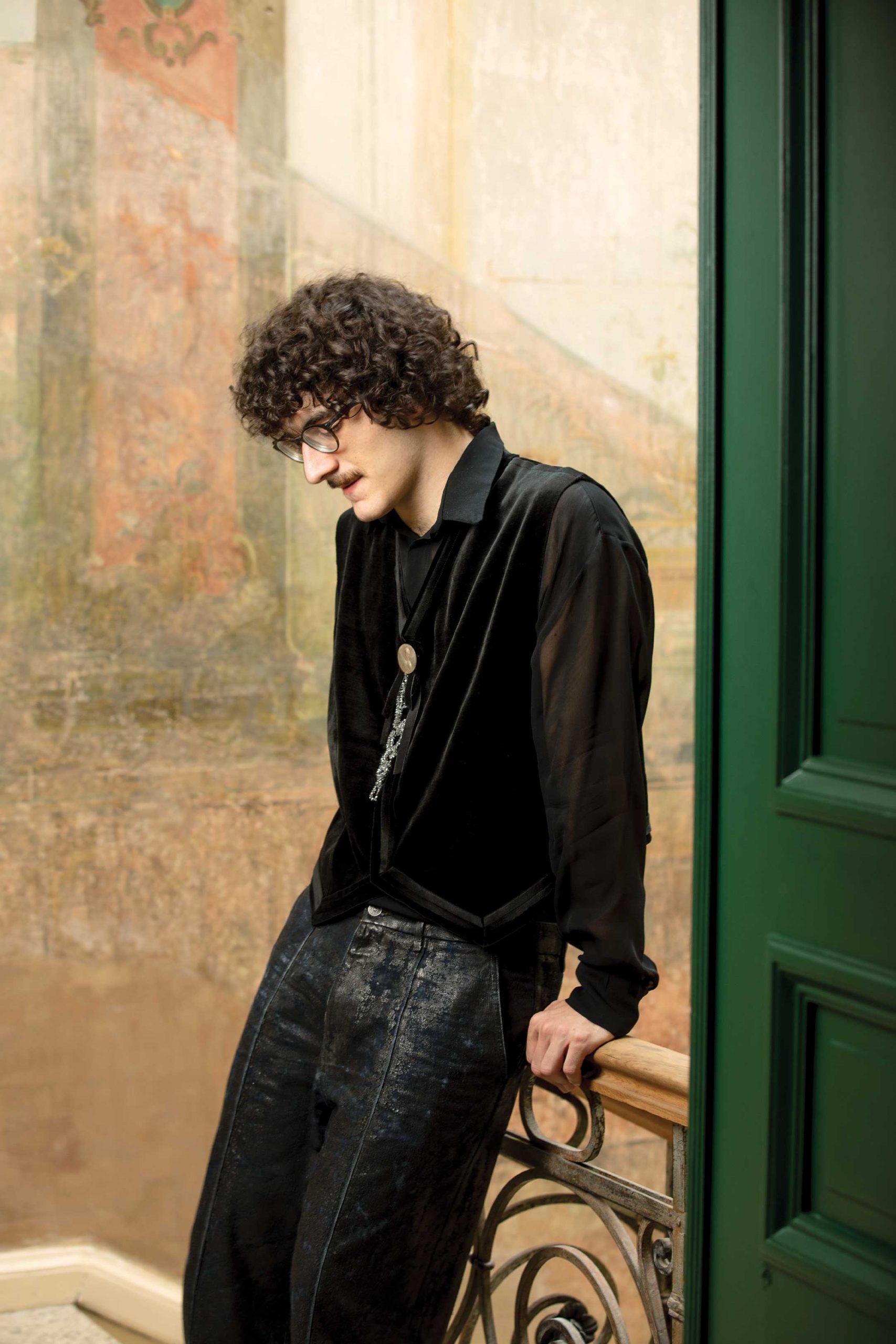
You mentioned TikTok, and interestingly, elements of pop culture are gradually creeping into classical music. It is impossible not to think about issues that have bothered professional musicians for a long time, such as people dividing music into “serious” and “fun” categories. This issue was very topical in the 20th century. Clearly, the new generation no longer recognizes such boundaries, and your career is evidence of that. One day, you are on the stage playing Rachmaninoff with a symphonic orchestra, and the next day, you are taking part in jazz jamming sessions. How do you reconcile all this?
If I have a concert playing Beethoven tomorrow and an appearance with Nini Nutsubidze next week, I will not even think about the second event before completing the first one. My mind is always focused on the next concert, not the one after that.